
Impressive Impalas
“Amazing! Absolutely amazing accommodation and helpful, friendly staff.
Great outlook from the tents - elephants, giraffes, impala. ”

With their graceful leaps, complex social lives, and remarkable ability to stay alert to danger, impalas are an impressive and important part of the Serengeti ecosystem.
Photo Credit to Bart van der Lugt
Amazing Facts About Impalas
They are exceptional jumpers. An impala can leap several feet high and cover a surprising distance in a single bound. When startled, a herd can erupt into a spectacular display of bouncing, twisting, and running in different directions.
Their famous leaps have a name. Impalas are known for a behavior called pronking, in which they leap into the air with their legs stiff and their bodies elevated. Researchers believe pronking can serve several purposes, including signaling fitness to other impalas or discouraging predators.
They have a fascinating social structure. Impalas typically live in herds, but those herds aren't always organized in the same way. Females and young often form herds, while territorial males may defend areas and attempt to keep females within their territories during the breeding season.
Males have impressive horns. Only male impalas grow horns, which can reach around 75 centimeters in length and have a distinctive lyre-like shape. Males use their horns in contests with rivals, particularly during the breeding season.
They are incredibly alert. Impalas have excellent eyesight and are constantly monitoring their surroundings. Their large ears can swivel independently, helping them listen for potential danger while they feed.
They communicate in surprisingly sophisticated ways. An impala's sharp alarm call can instantly change the mood of an entire herd. One animal notices something suspicious and suddenly dozens of heads may come up at once. Their alertness can also benefit other animals nearby.
They are an important part of the Serengeti food web. Impalas are prey for a variety of predators, including lions, leopards, cheetahs, African wild dogs, and hyenas. Their vigilance, speed, and agility are essential survival tools in a landscape where danger can appear without warning.
Why Visitors Love Watching Impalas
A herd grazing peacefully can suddenly become completely alert when one animal detects a potential threat. Within seconds, heads are raised, ears are turning, and the entire group is watching the same direction. If the perceived danger gets closer, the herd can explode into a breathtaking series of leaps as the animals race away.
For photographers, impalas are wonderful subjects because there is always something happening. You might capture a male standing proudly with his curved horns, youngsters playing beside their mothers, two males testing each other's strength, or an impala caught mid-pronk.
Experienced Moyo guides can help guests understand why the impalas suddenly stop feeding, what they are looking at, and whether their behavior might indicate a predator nearby. Sometimes, watching the impalas can even be the first clue that something more exciting is happening.
The Impala Experience at Moyo's Locations
Moyo Camp Warangi
Moyo Camp Warangi is located in the Seronera Valley near the Warangi River, an area known for year-round wildlife because of its permanent water sources. Here, guests can enjoy impalas alongside the mixture of open grassland and riverine habitat that makes central Serengeti so productive. The area's resident wildlife means impala sightings aren't dependent on the Great Migration, and their presence can add an interesting layer to a game drive focused on predators or other wildlife.
Moyo Camp Hembe
Moyo Camp Hembe sits in the central Serengeti and offers commanding views across the plains. The open landscapes around Hembe provide wonderful opportunities to watch impalas in their natural environment. Rather than simply driving past a herd, guests can take time to observe how the animals interact: females feeding together, young impalas staying close to adults, and males watching over their surroundings.
Hembe is also one of Moyo's locations where walking safaris are available. A guided walk can provide a completely different perspective on smaller wildlife and animal signs, allowing guests to appreciate the details of the ecosystem that can be easy to miss from a vehicle.
Moyo Migration Camp Mara
Moyo Migration Camp Mara is located in the Northern Serengeti, where the landscape provides a different perspective on the wider Serengeti ecosystem. Mara is especially appealing for guests who want to experience the Serengeti across different seasons. Moyo's northern location offers a permanent camp from which to explore this part of the ecosystem throughout the year.
Impalas here can become part of a broader northern Serengeti safari experience, where guests may encounter them alongside giraffes, zebras, wildebeest, elephants, and predators. During the migration season, the northern Serengeti becomes particularly dynamic as herds move through the region, creating opportunities to observe how resident wildlife responds to changing concentrations of prey and predators.
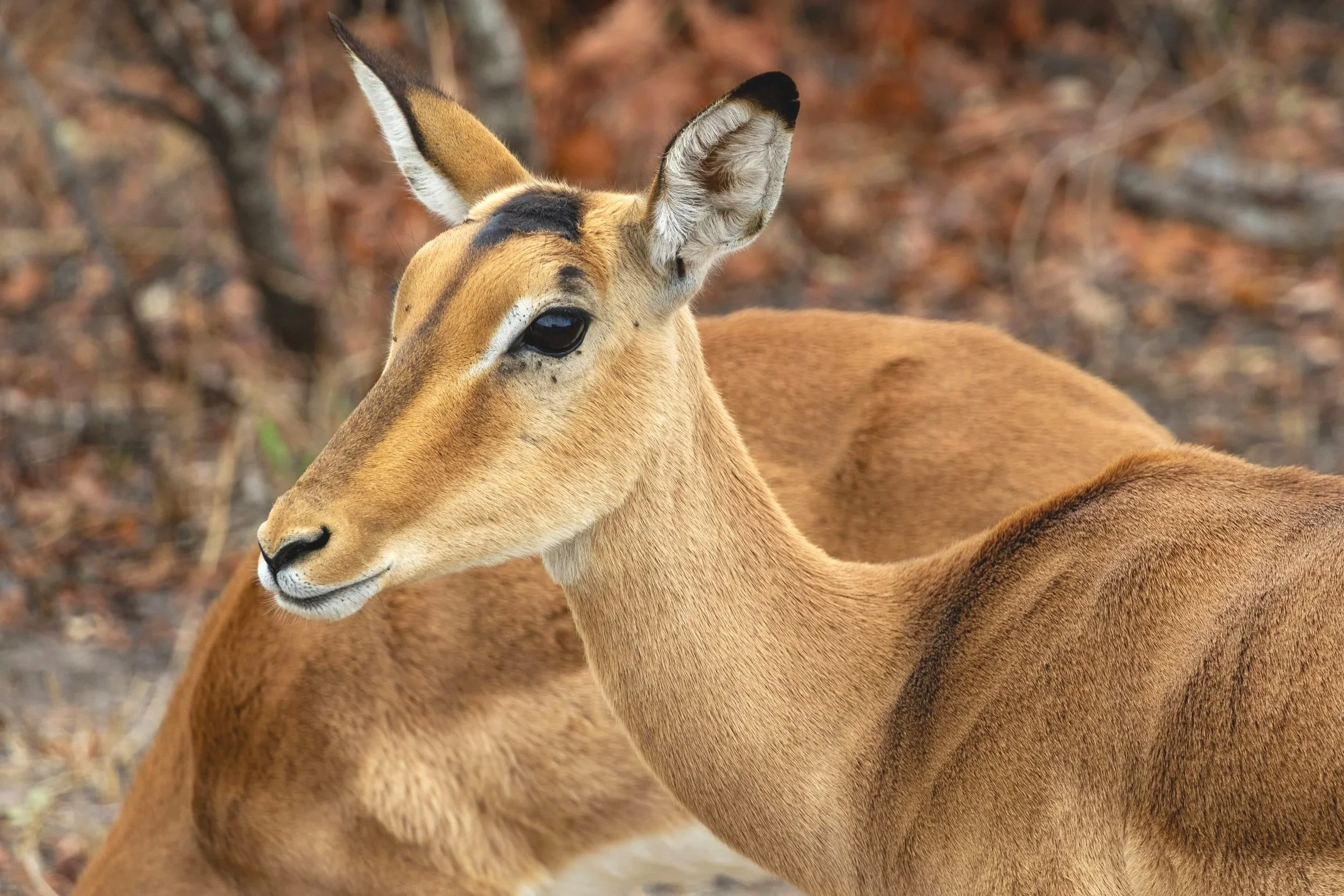
During your stay at Moyo Tented Camp, take a moment to slow down and watch the impalas - you may be surprised how fascinating these graceful antelope can be.
Photo Credit to Martijn Vonk
Experience the magic of The Serengeti.